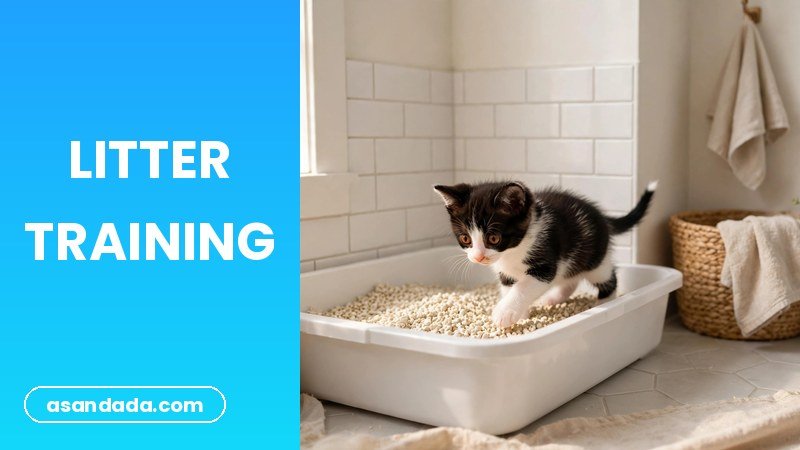
Here’s the reassuring truth about how to litter train a kitten step by step: you barely have to train them at all. The instinct to dig, eliminate, and bury is hardwired into cats — kittens raised with their mother usually arrive at your home already knowing what a litter box is for. Your real job is setting the stage so the right choice is the easy choice, and handling the occasional miss without turning it into a habit.
This guide walks through the full seven-step method: choosing the box and litter, placing it right, timing introductions, reinforcing success, cleaning accidents properly, and troubleshooting when things go sideways. If you’re starting from zero with a brand-new kitten, our complete guide on how to take care of a kitten for beginners covers everything else you’ll need in the first month.
What You’ll Need Before You Start
- One low-sided, open litter box (tall sides are for adult cats)
- Unscented, fine-grained clumping litter
- A sturdy scoop and a small lidded trash bin
- An enzyme-based cleaner for accidents
That’s genuinely it. No sprays, no attractants, no gadgets — those are solutions looking for a problem.
How to Litter Train a Kitten Step by Step
Step 1: Choose the right box
Start small and simple. A basic open pan with low sides lets a tiny kitten climb in without effort. Skip covered boxes for now: they trap odors, and some kittens find the enclosed space stressful. You can graduate to a larger or covered box once the habit is rock solid — usually after a few months. If you have multiple floors, put a box on each level; a kitten won’t trek across the house when nature calls urgently.
Step 2: Pick a litter your kitten will actually like
Unscented and fine-grained wins for most kittens. Strong perfumes that smell “clean” to humans can smell overwhelming to a kitten’s nose and send them looking for alternatives — like your laundry basket. Fill the box two to three inches deep: enough to dig in, not so much that a lightweight kitten sinks. If your kitten came from a shelter or breeder, ask what litter they used there and start with the same type. Familiarity beats optimization in week one.
Step 3: Put the box in the right spot
Location matters more than most owners expect. Choose a quiet, low-traffic corner that’s easy to reach — and keep it away from food and water bowls, since cats dislike eating near their toilet. Avoid spots next to loud appliances; a kitten startled by a washing machine mid-squat may decide that whole area is unsafe. During the first week or two, the box should live in the kitten’s safe room, not three rooms away.
Step 4: Introduce the box at the right moments
When your kitten first arrives, gently place them in the clean litter box so they know where it is. Let them sniff and step out — no forcing. Then repeat the introduction at the moments kittens most need to go: right after meals, after waking from a nap, and after active play sessions. Just set them in the box calmly. Many kittens will dig and go within a minute. If they hop out, no big deal — try again next time.
Step 5: Reward success, ignore mistakes
When your kitten uses the box, respond with calm, warm praise — a soft “good” and a gentle chin scratch. A tiny treat right after works too, especially in the first week. What you must not do is punish accidents. Yelling, clapping, rubbing their nose in the mess, or carrying them to the box mid-accident as a “lesson” — none of this teaches litter habits. It teaches your kitten to fear you and to eliminate where you can’t see. Positive associations build the habit; fear breaks it.
Step 6: Keep the box spotless
Scoop at least once a day — twice is better with a kitten. Cats are fastidious, and a dirty box is the number one reason litter-trained kittens start going elsewhere. Top up litter to maintain that two-to-three-inch depth, and do a full litter change and box wash regularly. For the complete maintenance rhythm, see our guide on how often you should clean a cat litter box — the scoop, change, and wash schedule that keeps boxes inviting.
Step 7: Handle setbacks with detective work, not discipline
An occasional accident in the first week is normal — the kitten is learning a new house. A pattern of accidents is information. Something about the setup isn’t working, and your job is to figure out what: Is the box dirty? Too far away? Is the litter scented? Did something scare the kitten near the box? Change one variable at a time and give it a few days. Most litter problems resolve once you find the actual cause.
Cleaning Up Accidents the Right Way
How you clean an accident determines whether it happens again. Cats return to spots that smell like a toilet, so the goal is to remove the scent completely — not just mask it.
- Blot, don’t rub. Press paper towels or a clean cloth into the mess to absorb as much as possible. Rubbing spreads it deeper into fibers.
- Apply an enzyme-based cleaner generously. Ordinary soap and most household cleaners don’t break down the uric acid crystals in cat urine — the part your kitten’s nose detects long after you think it’s clean. Enzyme cleaners do. Saturate the area fully.
- Let it sit. Follow the product’s directions, usually 10–15 minutes, so the enzymes have time to work.
- Blot again and let it air dry. Then check with your nose at floor level. If you can still smell anything, repeat.
Never use ammonia-based cleaners on cat urine — ammonia smells similar to urine to a cat and can actually attract them back to the spot. And if accidents keep happening in one particular place, make that spot less appealing after cleaning: place a food bowl there temporarily (cats avoid toileting near food), or cover it with aluminum foil for a few days.
Troubleshooting: When Your Kitten Won’t Use the Box
If your kitten is consistently avoiding the litter box, run through this checklist before assuming it’s behavioral:
- Is the box clean enough? Be honest about your scooping. Many “problem” kittens are simply responding to a box their owner would refuse to use too.
- Is the litter the problem? Try an unscented, finer-grained option. Some kittens dislike coarse or strongly perfumed litters enough to boycott the box entirely.
- Is the box accessible? A box behind a closed door, up a flight of stairs, or with sides too tall for little legs might as well not exist. Remember the rule of thumb: one box per cat plus one extra, spread across the areas your kitten actually uses.
- Did something scare them? A loud noise, a fall, or being ambushed by another pet near the box can create a lasting negative association. Moving the box to a calmer spot often resets things.
- Could it be medical? Straining, crying while eliminating, very frequent tiny trips to the box, or blood in urine or stool are all reasons to call your vet promptly — possible reasons include urinary tract irritation or intestinal parasites, and these need professional diagnosis, not home troubleshooting. This is especially true for male kittens, where urinary blockages can become emergencies.
One more scenario: the kitten uses the box for one thing but not the other. That’s actually common — some cats prefer to urinate and defecate in separate boxes. Adding a second box often solves it immediately.
If you’ve fixed the setup and problems persist beyond a week or two, loop in your vet — your kitten’s first vet visit is also the right moment to raise ongoing litter issues and rule out anything medical.
Frequently Asked Questions
How long does it take to litter train a kitten?
Most kittens get the basics within a few days, especially if they learned from their mother before coming home. Reliable, accident-free habits usually take two to four weeks. Orphaned or very young kittens (under five weeks) may need more help and patience.
What age should I start litter training?
Kittens typically start using a litter box around three to four weeks old, when they’re steady on their feet. If you’re adopting at the usual eight weeks or later, the kitten likely already knows the concept — you’re just teaching them where the box is in your home.
Can I use a covered litter box for a kitten?
It’s better to start with an open box. Covered boxes concentrate odors and can feel trapping to a small kitten. Once your kitten is reliably trained for a few months, you can try a covered box and see if they accept it — keep the open one available during the transition.
Why does my kitten play in the litter box?
Young kittens sometimes treat fresh litter like a sandbox — digging enthusiastically, rolling, even napping in it. It’s usually a phase that passes as the novelty wears off. Redirect to real toys, keep play sessions active, and make sure the kitten isn’t spending time in the box because they’re bored or stressed.
Should I change the type of litter my kitten uses?
If the current litter is working, don’t fix what isn’t broken. If you want to switch, do it gradually: mix increasing amounts of the new litter into the old over seven to ten days. Sudden litter changes are a classic trigger for box boycotts.
Final Thoughts
Learning how to litter train a kitten step by step is mostly about respecting feline instincts: give them a clean, accessible, unscented box in a calm spot, introduce it at the right moments, and reward success. Skip the punishment entirely — it has no place in litter training and actively works against you.
Most kittens take to the box within days when the setup is right. And when something goes wrong, treat it as a puzzle, not a crime: the answer is almost always in the box, the litter, the location, or the cleaning routine. Solve the setup, and the habit follows.
This content is for informational purposes only and isn’t veterinary advice. If your cat shows signs of illness, consult your veterinarian.